Awarded to a government science project that has made outstanding contributions in various fields of STEM.
Now in its 24th year, the Premier's Science Awards recognises and celebrates the outstanding scientific research and engagement taking place in Western Australia.
This year, 4 finalists have been selected for the Government Science Project of the Year category:

Emerging Drugs Network of Australia (EDNA)
East Metropolitan Health Services
The Emerging Drugs Network of Australia (EDNA) is a WA-led national toxico-surveillance system involving sentinel Emergency Departments, established 2020. It provides previously unavailable objective data on what illicit/novel drugs are causing acute harm in the community.
EDNA’s national clinical registry on illicit/novel drugs rapidly detects emerging drug-related threats in close to real time and distributes objective data to state, national and international stakeholders. This has improved clinical, forensic laboratory and public health harm reduction responses, reflecting rapid research translation. EDNA submitted Australia’s first national contribution of Emergency Department data to the United Nations Office on Drugs and Crime. EDNA is one of their first regular data contributors, strengthening Australia’s contribution to global surveillance networks.
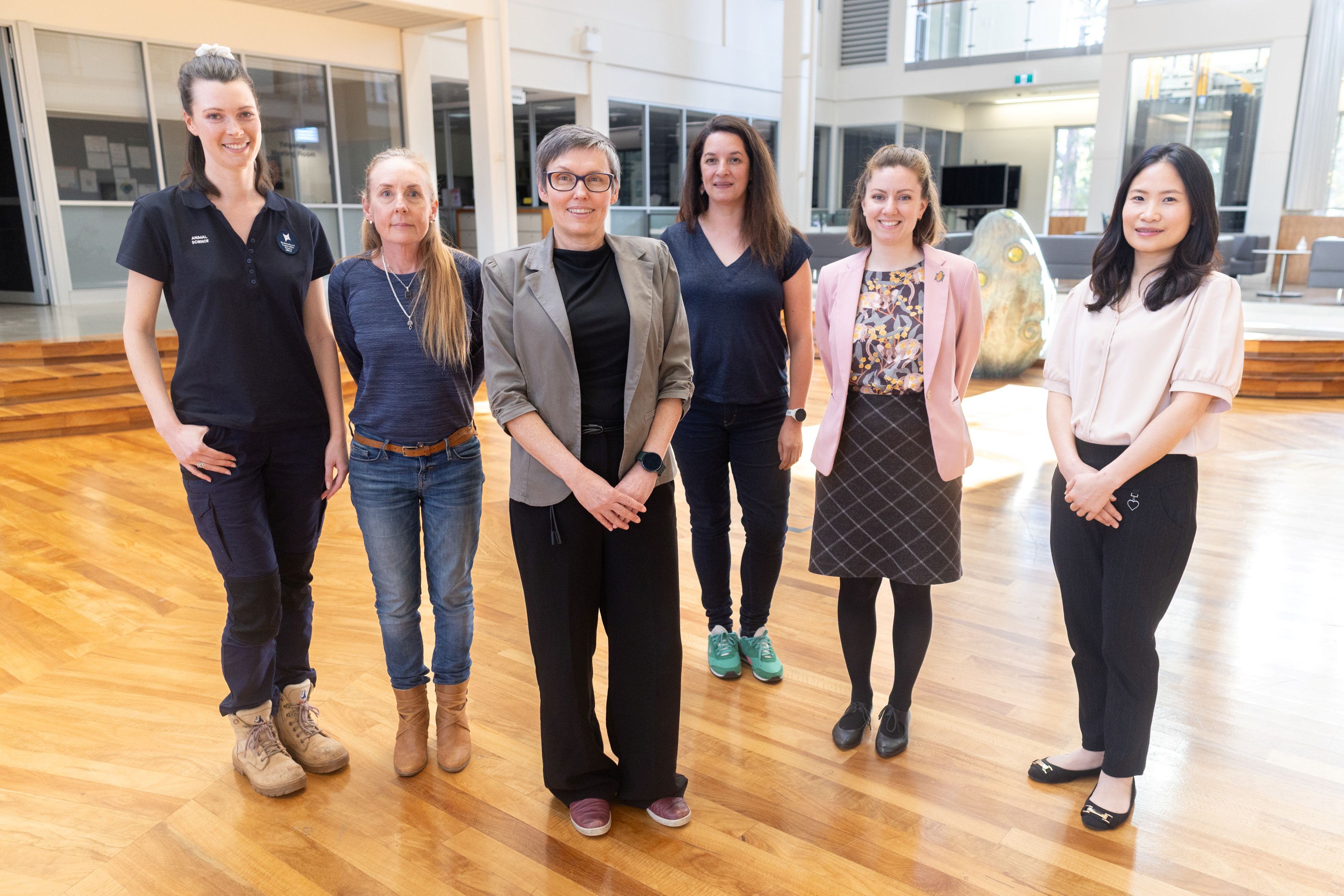
Genetic Assessment for Conservation of Rare and Threatened Fauna
Department of Biodiversity, Conservation and Attractions
The Fauna Genetics project at DBCA has played a pivotal role in advancing conservation science in Western Australia since 2012, providing essential data to support the conservation of threatened species through cutting-edge genetic analyses aimed at ensuring their long-term genetic health and resilience.
The project has pioneered novel genetic technologies for non-invasive wildlife monitoring in the State. This breakthrough has reduced the need for live animal capture, minimising stress and disruption to sensitive species.
Notably, the work has delivered the first quantitative population estimates for several elusive, hard-to-monitor species, transforming how these populations are understood and managed.
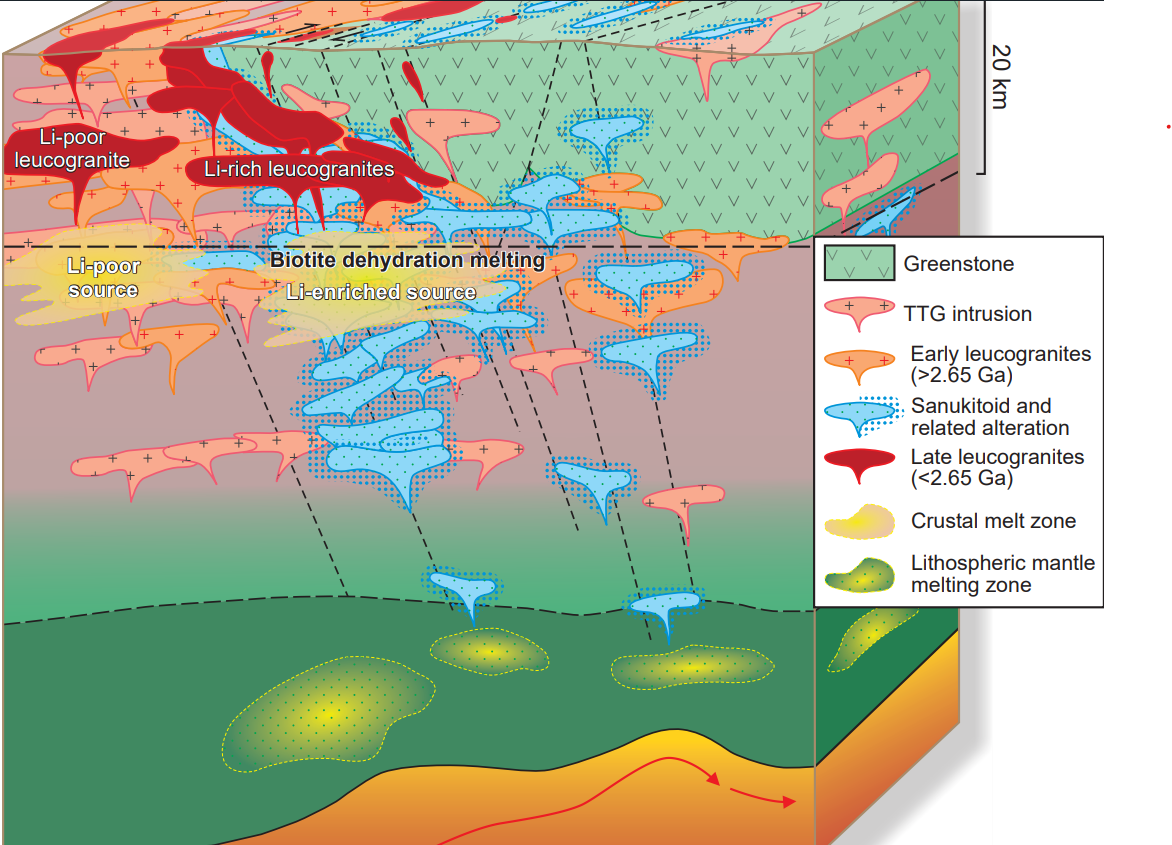
Geochemically Fingerprinting Western Australia's Next Mineral Discoveries
Geological Survey of Western Australia – Department of Mines, Petroleum and Exploration
The Geological Survey of Western Australia’s Chemical Fingerprinting project has revolutionised the understanding of the evolution and mineral potential of Western Australia’s geology.
Over the past 8 years it has created new exploration paradigms for many of Western Australia’s key critical, strategic and precious minerals, and it has directly influenced the discovery of the 11-million-ounce Hemi gold deposit in the Pilbara.
The project has been celebrated by the exploration industry and has influenced land tenure decisions. Research outcomes have been published in several of the World’s highest ranking scientific journals (including Nature) attracting international recognition and collaboration.
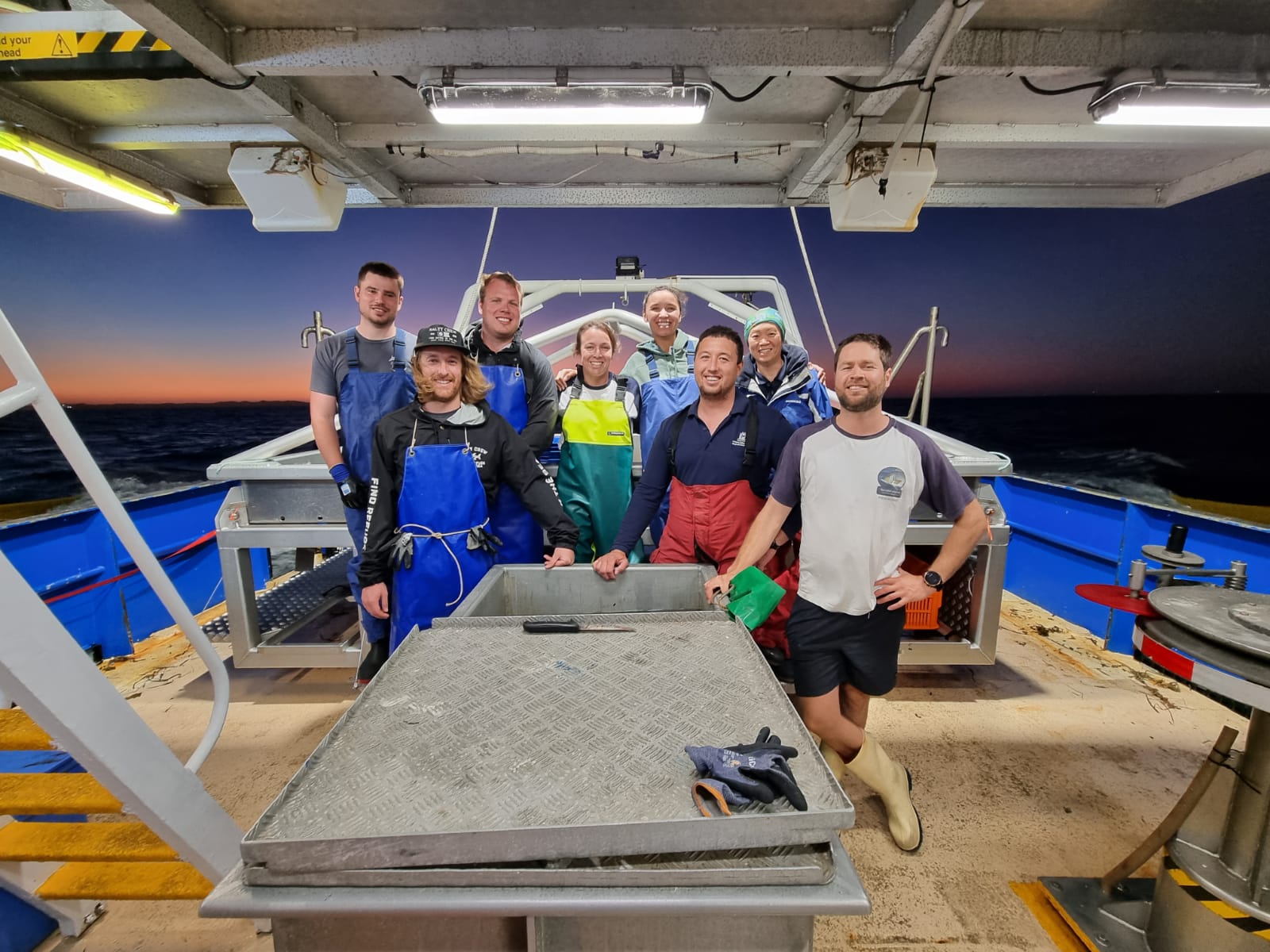
Westport Marine Science Program (WAMSI)
Department of Primary Industries and Regional Development
This ambitious project provided important fisheries research baseline information to support the development of a new $7-8 billion container port at Kwinana in Cockburn Sound. This information was required to address knowledge gaps around fishery resources in the Sound that are accessed by recreational and commercial fishers.
A team of scientists developed new methods to identify over half a million fish and invertebrates, providing one of the most advanced comprehensive datasets for any marine location in Western Australia.
Outcomes of the project include scientific publications, and new and genuine collaborations between government, academia and stakeholders.