Awarded to an outstanding scientist who completed their highest degree between 5 and 15 years ago, and has demonstrated excellence in a field of science, scientific research or technological advancement.
Now in its 24th year, the Premier's Science Awards recognises and celebrates the outstanding scientific research and engagement taking place in Western Australia.
This year, 5 finalists have been chosen for the Mid-Career Scientist of the Year category:
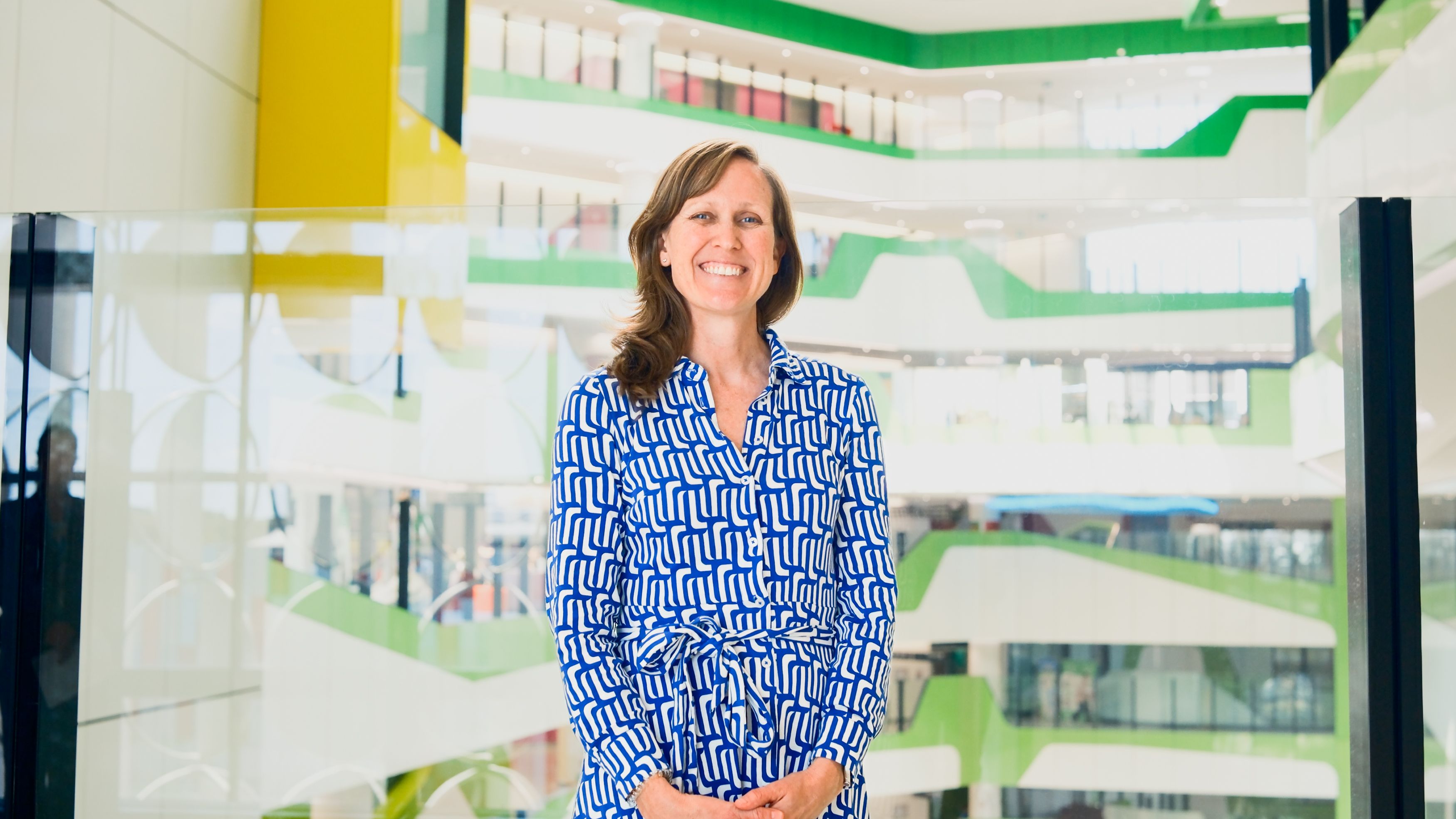
Professor Asha Bowen OAM
Perth Children's Hospital and The Kids Research Institute Australia
Professor Asha Bowen OAM is a Paediatric Infectious Diseases Specialist at Perth Children’s Hospital and Head of the Healthy Skin and ARF Prevention Team at The Kids Research Institute Australia. She has dedicated her career to reducing the burden of skin infections for Aboriginal children in Australia and is one of the nation’s leading clinician-scientists.
She describes her work as spanning bush (remote clinical trials) to bench (laboratory discoveries) to bedside (hospital-based clinical trials) and beyond (clinical guidelines, advocacy, knowledge translation). Her values guide her decisions to make a difference with and for children who are often overlooked.
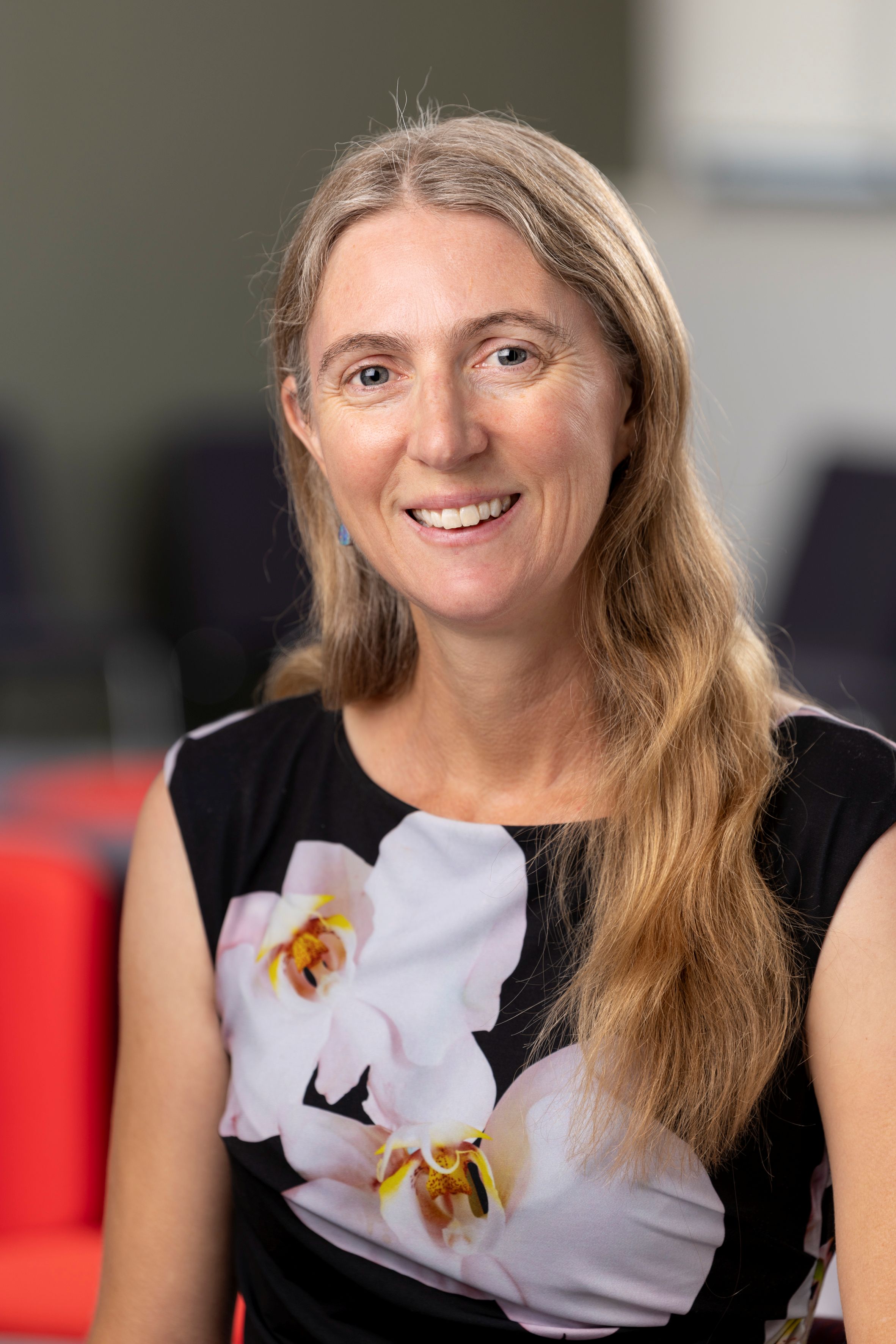
Professor Cathryn Margaret Trott
International Centre for Radio Astronomy Research at Curtin University
Professor Cathryn Trott is Chief Scientist for CSIRO's Australia Telescope National Facility and a Professor of Radio Astronomy at the International Centre for Radio Astronomy Research at Curtin University. A world leader in understanding the first billion years of the Universe, she uses radio telescopes in the WA outback to measure tiny signals from the dawn of time. In this period, the first stars and galaxies were born, illuminating the Universe in its infancy.
She was President of the Astronomical Society of Australia, edited the Australian astronomy Decadal Plan, and inspires through work with WA science teachers and students.
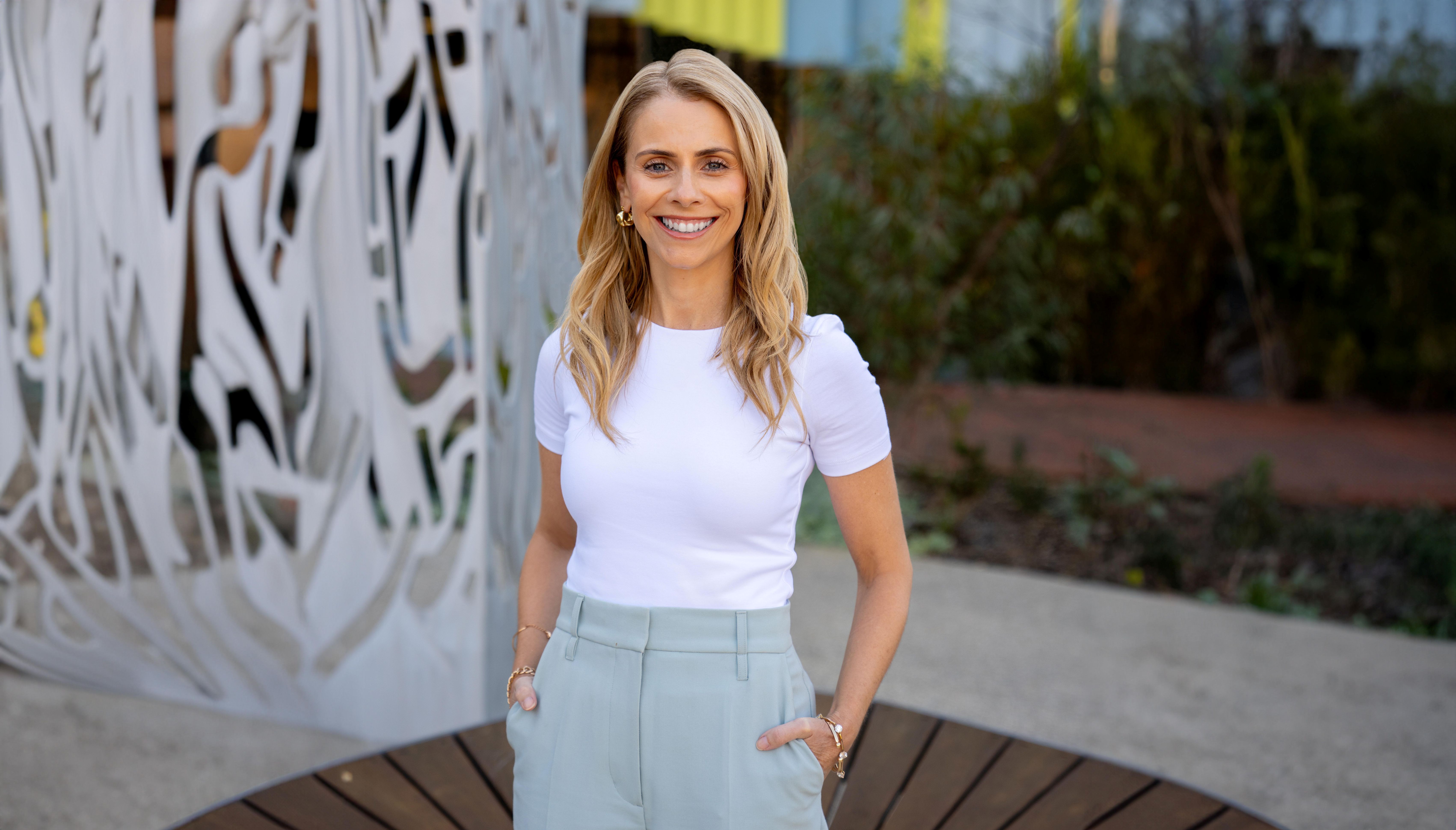
Professor Gina Trapp
Edith Cowan University
Professor Gina Trapp is an internationally recognised expert in food environments and public health nutrition at ECU, where she leads a multidisciplinary team of 26 researchers. She has advanced the field by pioneering research on how our built environment influences children's diet and physical activity, co-developing innovative tools such as the Australian Food Atlas (originally developed as the WA Food Atlas), now being adopted by policymakers.
Gina’s findings have shaped urban planning and public health policy, creating healthier environments where children live, learn and play. She is ECU’s youngest appointed female Professor and has received numerous awards recognising her as a leading Australian scientist.
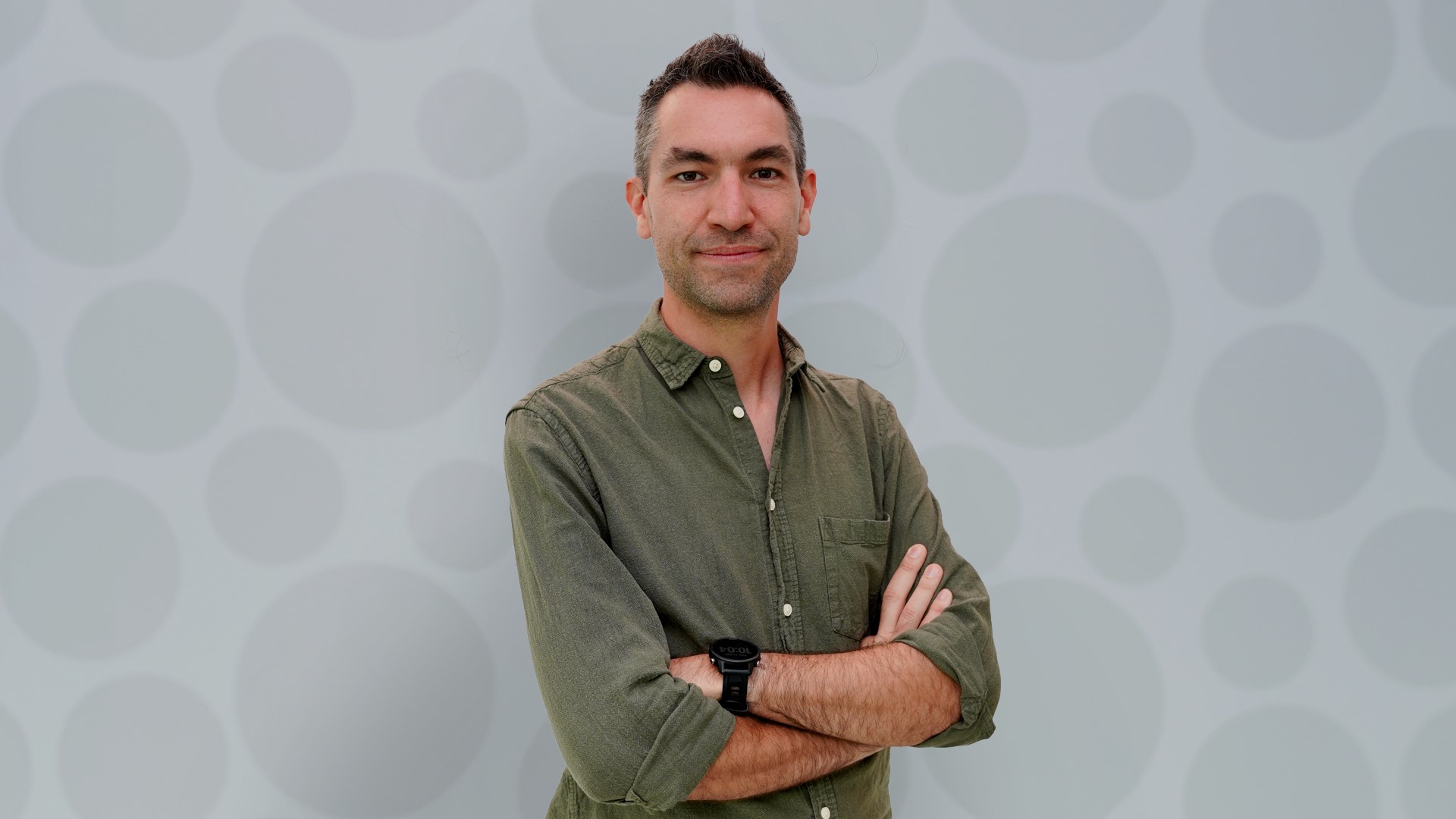
Professor Nick Golding
The University of Western Australia and The Kids Research Institute Australia
Professor Nick Golding, Infectious Disease Modelling chair at the University of Western Australia and Infectious Disease Ecology and Modelling team lead at The Kids Research Institute Australia is internationally recognised for mathematical and statistical modelling for the control of epidemics and emerging infectious diseases. He is ranked in the top 0.1% of global researchers in his field since 2019.
His modelling has guided Australia's response to COVID-19 and Japanese Encephalitis virus, Ebola policy in the UK and Sierra Leone and China’s H7N9 surveillance. His global models of vector-borne diseases are used by WHO and cited in reports and vector control guides.
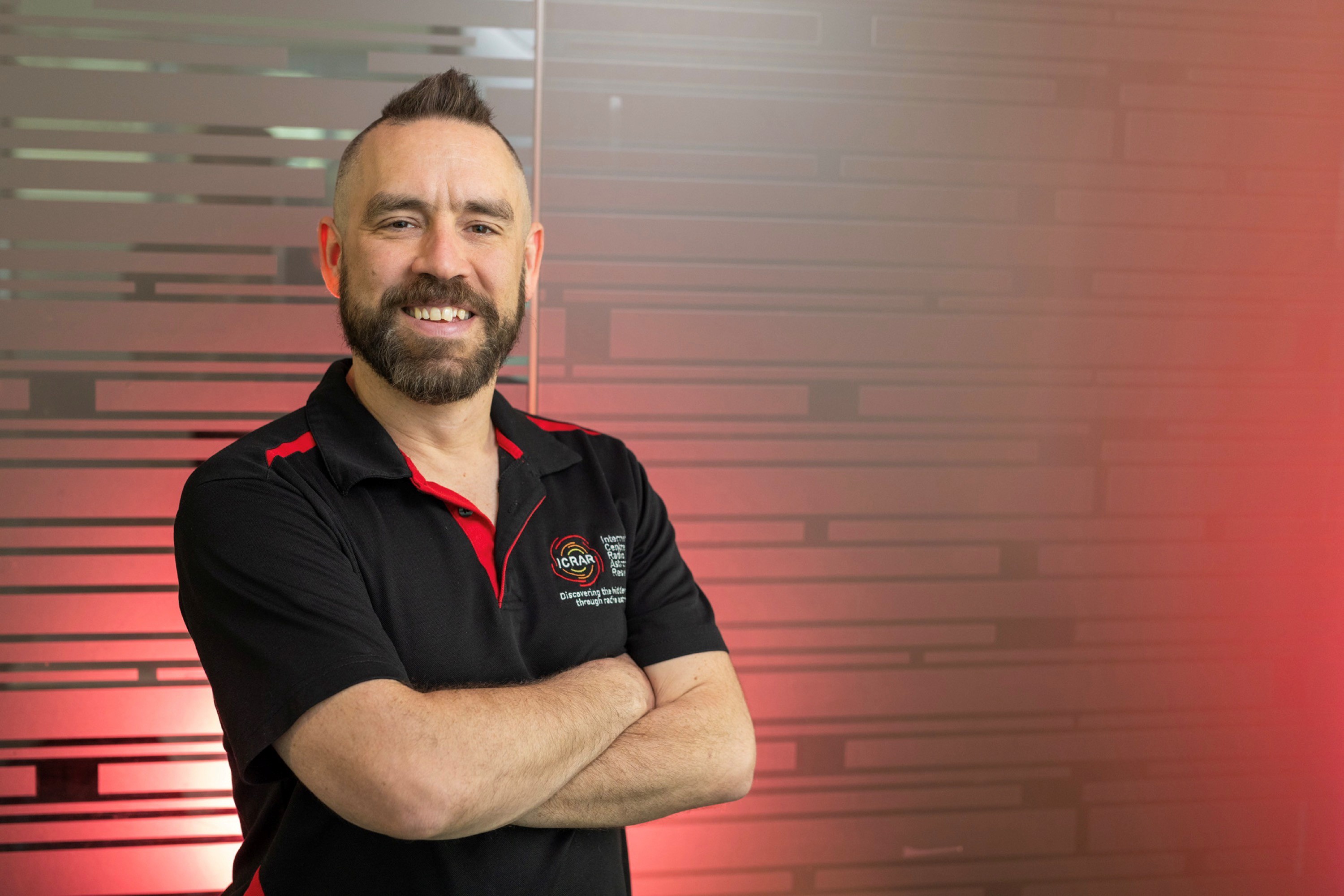
Professor Sascha Schediwy
The University of Western Australia
Professor Sascha Schediwy, based at the University of Western Australia, is an internationally recognised research leader with a demonstrated track record of research excellence spanning the fields of astronomy, space, and national security. He leads the teams that are building the TeraNet laser communication ground station network in Western Australia, the laser timing system for Square Kilometre Array radio telescope, and optical technologies that enhance Australia’s national security.
He holds a prestigious Australian Research Council Mid-Career Industry Fellowship, and he has previously won both the Australian Space Awards ‘Academic of the Year’ and ‘Excellence Award’ – the highest individual award.