Recognises an initiative that has made an outstanding contribution to community awareness, interest and/or participation in science in Western Australia.
Now in its 24th year, the Premier's Science Awards recognises and celebrates the outstanding scientific research and engagement taking place in Western Australia.
This year, 5 finalists have been selected for the Science Engagement Initiative of the Year category:

The Kids STEM Festival Broome
The Kids Research Institute Australia
Held annually since its launch in 2023, the Broome STEM Festival, together with its follow up incursions, is leading the way in science engagement through an innovative, inclusive, community-led model. Co-designed with schools, local organisations, Aboriginal corporations and researchers, the program has reached more than 4,600 participants. It is focused on building an inclusive STEM future, empowering regional and First Nations students to see themselves as future scientists.
Follow-up incursions reinforce learning beyond the event, helping students apply knowledge to real-world health challenges in their communities. Backed by strong community partnerships and sustained funding, the Festival demonstrates leadership, impact and collaboration, reflecting a long-term commitment to Western Australia’s science future.

The IGNIS Mission
Edith Cowan University
The IGNIS Project saves lives, protects ecosystems, and inspires STEM learning through cutting-edge lightning and bushfire detection technology. Partnering with Australian universities, NASA, Traditional Owners and 130+ WA students, IGNIS investigates fire ignition using satellite thermal imaging and ground-based sensors.
Students explore solar power, 3D printing and aerospace engineering, gaining hands-on experience guided by ECU researchers and NASA scientists. The Noongar Boodja Rangers ensure cultural knowledge informs scientific decisions.
IGNIS builds global partnerships, empowers communities and fosters future STEM leaders: uniting technology, tradition and education to combat bushfires and safeguard our ecosystems.
Keep Carnaby's Flying – Ngoolarks Forever
Murdoch University
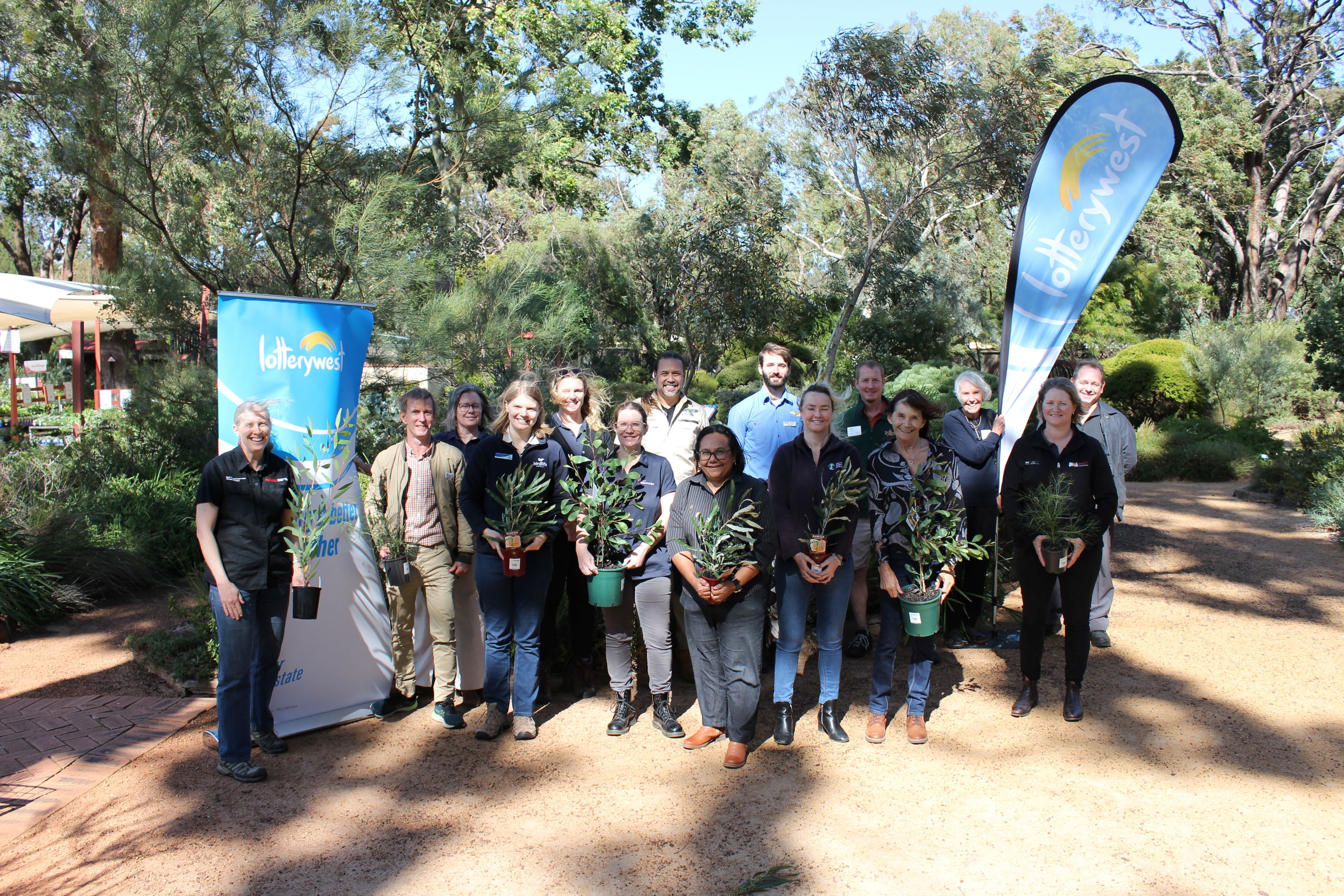
‘Keep Carnaby’s Flying: Ngoolarks Forever’, a two-year science-led community engagement initiative supported by Lotterywest, raised awareness of the plight of Carnaby’s cockatoos and empowered the community to protect Perth’s threatened black cockatoos.
Murdoch University researchers partnered with Aboriginal organisations, environmental NGOs, Curtin University, councils and community groups to undertake direct conservation actions for Perth’s black cockatoos.
Outcomes/achievements include planting ~50,000 black cockatoo food-plants, establishing city-wide bird drinking-station networks and producing science-based Black Cockatoo Conservation Action Plans for councils. Community partners are now engaging directly with councils to implement these science-informed Action Plans to protect Perth’s black cockatoos.

Ngaparrtji Ngaparrtji – Two-way Science Program
Department of Education (WA)
Ngaparrtji Ngaparrtji is a phrase used by several Western Desert Aboriginal languages that loosely translates as ‘I give you something, you give me something’. It is a complex cultural concept of reciprocity, exchange and relationship. The Ngaparrtji Ngaparrtji Two-way Science program supports schools to build partnerships with local Aboriginal communities to develop integrated culturally responsive learning programs that connect the Science Curriculum to Aboriginal knowledges. The program supports all students to build respect for Aboriginal histories, cultures, and knowledges while supporting Aboriginal student wellbeing, engagement, and learning.
SeadragonSearch
The University of Western Australia
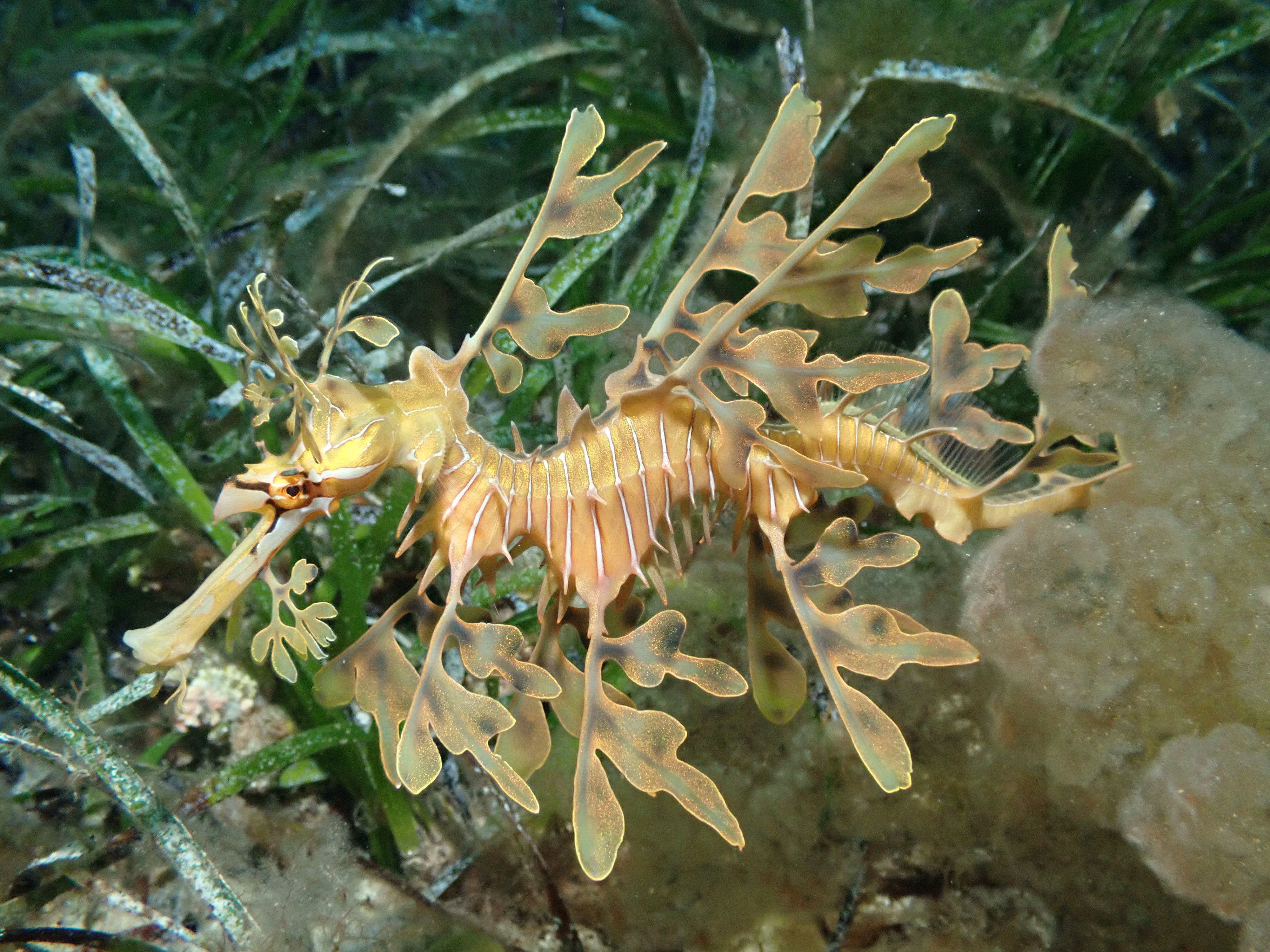
Launched nationally in 2020, SeadragonSearch aims to close critical knowledge gaps about wild seadragon populations and support evidence-based conservation. The project combines community-driven science with computer vision and AI tools to streamline data processing.
It has documented over 21,000 seadragon encounters and is tracking thousands of individuals. By inviting divers, snorkellers and beachcombers to contribute images, SeadragonSearch has built a robust dataset that led to reassessment of the weedy seadragon’s status.
As a result of this evidence, the species was reclassified from “Least Concern” to “Vulnerable” on the IUCN Red List—a significant step forward for seadragon research and conservation.