


Many Western Australians are concerned about the impacts of disposable plastics waste on our environment and waste streams.
As part of our commitment to a cleaner, more sustainable WA, the Department of Water and Environmental Regulation announced Western Australia’s Plan for Plastics on 13 June, 2021.
The Plan supports alignment with the Environmental Protection (Prohibited Plastics and Balloons) Regulations 2018, which bans a number of single-use plastic items.
The Plan for Plastics program is being delivered in two stages, and implemented utilising feedback collected during consultations. Transition periods were provided for enforcement of these Regulations, depending on the item.
Enforcement of Stage 1 and 2 regulations are underway, except for those still under phase out or temporary exemption. An education-focussed approach to compliance will be undertaken for recently banned items.
Single-use plastic items banned in WA
For a snapshot of single-use plastic items being phased out in WA, take a look at this overview.
Click on the item to find out what's banned and what's a good alternative within each category:
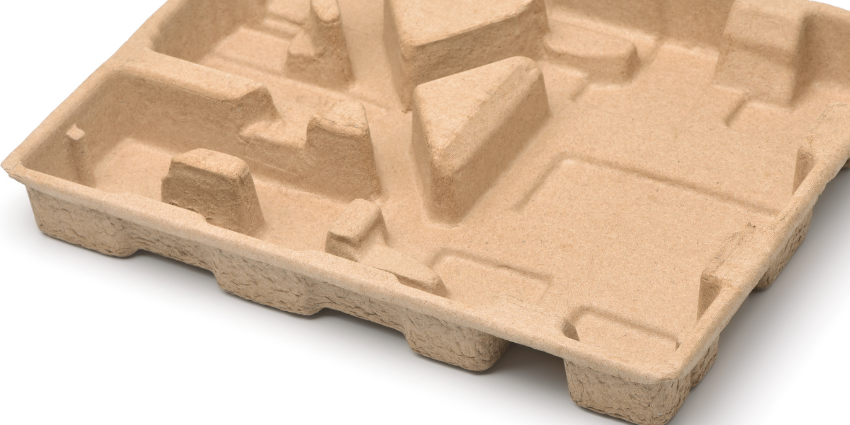
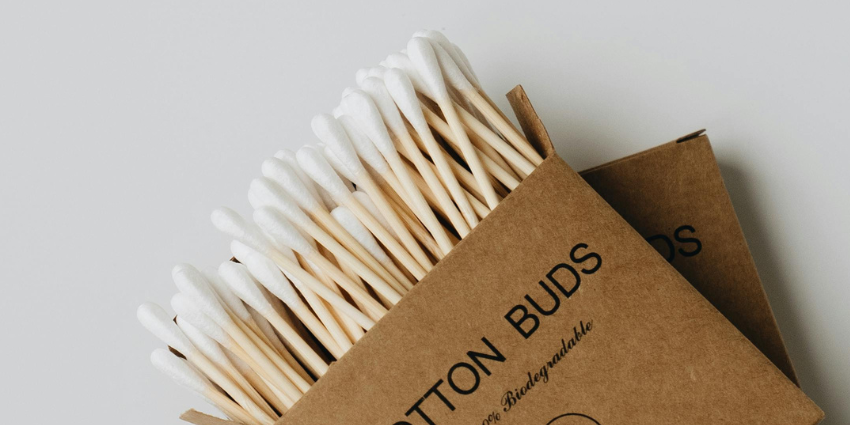
Overview
Show moreMany Western Australians are concerned about the environmental impacts of plastic waste.
Plastics are inexpensive, convenient and widely used in our everyday life. However, the single-use nature of many plastics has led to a wasteful take-make-dispose economy.
Single-use plastic waste is frequently littered and even when disposed, single use plastics are a common contaminate in out recycling and food and garden organics waste streams.
Plastic litter affects marine, freshwater, and terrestrial animals through ingestion and entanglement. Plastic litter does not break down when littered, it can persist from thousands of years fragmenting and realising microplastics that can enter the food chain, posing a risk to public health.
As part of our commitment to a cleaner, more sustainable WA, the Department of Water and Environmental Regulation announced Western Australia’s Plan for Plastics on 13 June, 2021.
This follows our previous action on plastic, including the introduction of a lightweight plastic bag ban in 2018 and container deposit scheme in 2020.
The Plan for Plastics was released in response to community feedback and provides a roadmap towards a more sustainable, plastic-free WA.
The plan is consistent with the waste hierarchy by promoting actions that:
- prioritise avoiding single-use plastics
- replace single-use items with reusable alternatives wherever possible
- promote non-plastic single-use alternatives that can be recovered, recycled or composted if it is not possible to use reusable items
- minimise litter or contamination of waste treatment facilities by not using single-use plastic.
The Plan supports alignment with the Environmental Protection (Prohibited Plastics and Balloons) Regulations 2018, which bans a number of single-use plastic items.
The Plan for Plastics program is being delivered in two stages, and implemented utilising feedback collected during consultations. Transition periods were provided for enforcement of these Regulations, depending on the item.
Enforcement of Stage 1 and 2 regulations are underway, except for those still under phase out or temporary exemption.
If you suspect a banned plastic item is being used, compliance inquiries should be emailed to complianceforplastics@dwer.wa.gov.au or you can call 6364 6651.
What's banned?
Show moreSTAGE 1
The Stage 1 bans commenced 1 January 2022 with two enforcement dates in July and October 2022.
Banned from 1 January 2022:
- providing false or misleading information about Stage 1 banned items.
Banned from 1 July 2022:
- all plastic shopping bags with handles
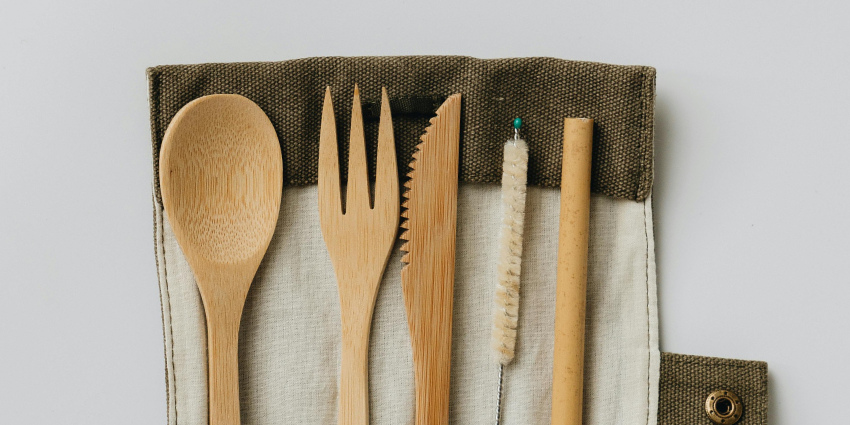
- disposable plastic utensils - straws, stirrers and cutlery
- disposable plastic foodware without lids - plates, bowls and food containers
- expanded polystyrene food containers and trays
- balloon releases are also banned from 1 July 2022; however, balloons are not banned.
Banned from 1 October 2022:
- disposable plastic cups for cold drinks
STAGE 2
The Stage 2 bans started on 1 March 2023 with staggered enforcement dates between 2023 and 2025 to provide time for businesses to comply.
Banned from 1 March 2023:
- providing false or misleading information about Stage 2 banned items.
From 1 September 2023:
- loose-fill expanded plastic packaging
- EPS cups and EPS trays for raw meat and seafood
- degradable plastics
- disposable cotton buds with plastic stems
- microbeads in rinse-off personal care, cosmetic and cleaning products
From 1 March 2024:
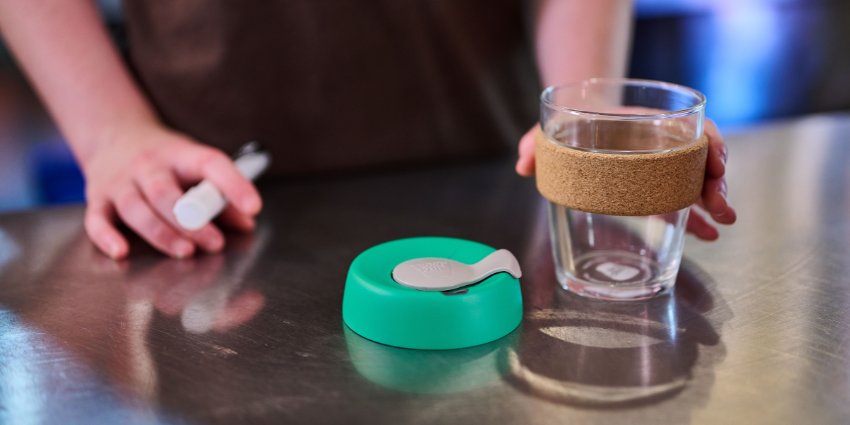
- disposable plastic coffee cups
- disposable plastic cup lids (for hot or cold drinks)
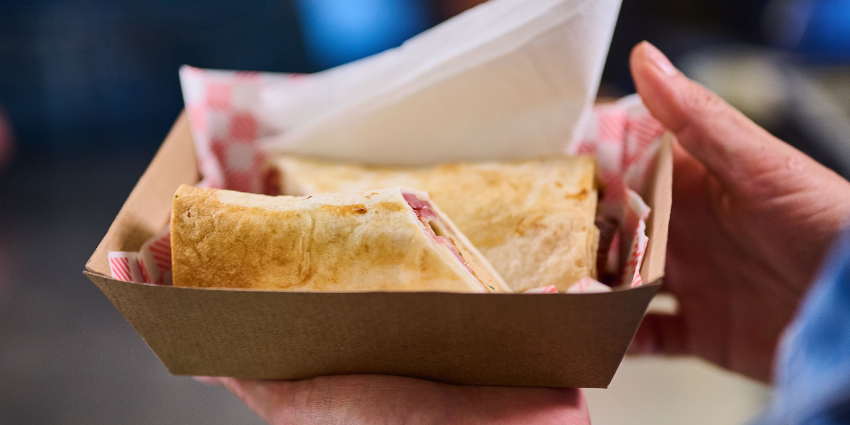
- disposable plastic trays for takeaway or eat-in food
From 1 September 2024:
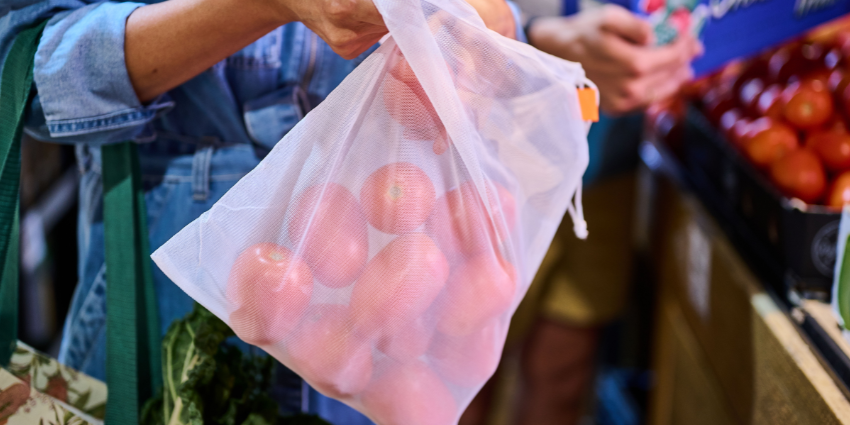
- disposable plastic produce bags used for fresh unpackaged fruit and vegetables
- disposable plastic lids for bowls, trays and containers used for takeaway or eat-in food
- disposable plastic lidded bowls, trays and containers used for takeaway or eat-in food
From 1 July 2025:
- moulded or cut expanded plastic packaging
The ban applies to:
- conventional plastics made from fossil fuels, as well as plant-based plastics (limited exemptions apply)
- items made of plastic in whole or part (including linings, coatings, and laminates)
- items sold or given away
- items supplied individually or in packets
The ban does not apply to:
- food or drink products pre-packaged offsite (except EPS)
- lids applied to pre-packed foodware where the food is prepared in advance and displayed for selection by customer
- items in food or beverage products or enclosed or attached items (e.g. straw attached to juice box)
- items intended for supply outside WA or business-to-business transport
- plastic‑lined paperboard items certified to Australian composting standards (for certain items only)
- plastic straws provided in certain situations for people with a disability or healthcare need
- items used to provide service in aircraft
Resources for businesses
Show moreThe Government of Western Australia has engaged the National Retail Association (NRA) to help support businesses to comply with the ban and identify suitable alternatives.
Visit plasticsbanwa.com.au for more information.
If you are a hospitality or events business, explore guides, an alternatives finder and case studies on ban-compliant and reusable solutions at solutions for hospitality businesses and events.
To understand exemptions, find a current class exemption, including those for plastic containers for hot, soupy foods and packaging of electronic goods weighing more than 25 kg, see Single-use plastic exemptions.
Exemption inquiries should be directed to plastic-exemptions@dwer.wa.gov.au or you can call 6364 7000.
General inquiries on alternatives should be directed to plastic-action@dwer.wa.gov.
Solutions for hospitality businesses
Show moreHospitality businesses and event organisers can find compliant alternatives to banned items at the Ban Solution Finder | Alternatives to Single-Use Plastics in Australia.
To understand how to transition to reuse across your service ware whether you are a cafe owner, mobile food vendor or event organiser, take a look at WA case studies of other businesses on how they did it and delve into the interactive guides developed through WA Plastic Free Places.
Visit Solutions for hospitality business and for information (factsheets, guidance, promotional material, videos and case studies) visit Bags, Straws and Utensils, Cups and cup lids and Foodware.
Resources for butchers, seafood and deli counter businesses
Show moreTo understand how prepare for changes to produce bags with the phase out of the conventional plastic produce bags in WA, visit resources for Butchers, Seafood and Deli counter businesses.
Resources of manufacturers, suppliers and retailers with goods in expanded plastic packaging
Show moreBans for loose fill expanded plastic packaging (commonly referred to as packaging peanuts) commenced in September 2023. The ban on moulded expanded plastic packaging commences in July 2025, with any products manufactured after 1 March 2025 required to comply by the enforcement date.
See Single-use plastic exemptions for all temporary exemptions related to these products, including the class exemption for electronic goods weighing over 25 kilograms.
Visit resources of manufacturers, suppliers and retailers with goods in expanded plastic packaging, and for further information (factsheets, guidance, promotional material, videos and case studies) visit expanded plastic packaging.
Further guidance is provided in the expanded plastic ban guideline, which includes guidance on evidence and reporting requirements.
Reusable solutions for mine site catering
Show moreVisit Reusable solutions for mine site catering to learn more about how to avoid waste generation from disposable food and drink ware in your mining village mess and crib rooms and successfully introduce reusable food and drink ware.
Find further information and media on Foodware and Cups and cup lids.
Resources for community groups and event organisers
Show moreIf you organise events, you need to rethink the provision of disposable service ware and identified those plastic items that are now banned in WA. There are plenty of practical ways you can ensure your activities meet the requirements of the Plan for Plastics bans as well as are circular low waste events.
Have you considered reusable service ware for your event?
Explore this interactive event tool to learn how to do it for your sized event and a video guide for local government-hosted events interested in setting up reuse at your next community event.
View Single-use plastics bans – Information for community groups running services, fundraising or events.
Be inspired by some case studies of WA community groups, events and businesses.
Resources for community awareness
Show moreThe Department of Water and Environmental Regulation has a series of media (factsheets, guidance, promotional materials, videos and case studies) that you can use to raise awareness with your community and customers about alternatives to the banned items.
Visit the single-use plastic items being phased out to find out more:
Compliance
Show moreEnforcement of Stage 1 and 2 regulations are underway, except for those still under phase out or temporary exemption. An education-focussed approach to compliance will be undertaken for recently banned items. If you suspect a banned plastic item is being used, compliance inquiries should be emailed to complianceforplastics@dwer.wa.gov.au or you can call 6364 6651.
If you are a retail businesses, suppliers or community group wanting understand the ban, visit the range of resources below, through WA Plastic Ban website and the hotline 1800 817 723.
Exemptions
Show moreVisit our webpage to lodge an application for an exemption from the ban and, prior to this, ensure you have checked all relevant class exemptions. Note that running down excess or left-over stock of banned items after the enforcement date is not an allowable exemption reason.
Email plastic-exemptions@dwer.wa.gov.au for exemption inquiries and plastic-action@dwer.wa.gov.au for advice or call 6364 7000.
The Stage 2 single-use plastic bans refer to Australian Standard AS 4736-2006 Biodegradable plastics –Biodegradable plastics suitable for composting and other microbial treatment and AS 5810-2010 Biodegradable plastics – Biodegradable plastics suitable for home composting.
Copies of AS 4736-2006 and AS 5810-2010 are available for viewing free of charge at our office at the Department of Water and Environmental Regulation, Prime House, 8 Davidson Terrace, Joondalup, between 8.30am and 5.00pm on weekdays.
Life cycle assessment of single-use plastics and their alternatives in Australia and New Zealand
Show moreA cradle-to-grave life cycle study of various single-use plastic items and some of their alternatives has been accomplished as part of an interjurisdictional partnership. To learn more about the research on takeaway food containers, produce bags and cups for cold and hot drinks see the life cycle analysis results.
Translated resources
Show moreFind our translated guides, posters and videos here: Translations | WA Plastics Ban
Other useful publications and websites
Show moreRegulations and guidance
Publications
- WA Plan for Plastics publication
- Let's not draw the short straw issues paper
- National Roadmap Snapshot: Harmonising action on problematic and unnecessary plastics
- WA Plan for Plastics Stage 2 - Decision regulatory impact statement
- WA Plan for Plastics Stage 1 - Decision regulatory impact statement
Websites:
- Home | WA Plastics Ban
- Ban Solution Finder
- Plastic Free Places – Resources, Case Studies, Guides
- For further information on reducing waste, visit wastesorted.wa.gov.au
- Single-Use Plastic Working Group
Frequently asked questions
Show moreProvided below are answers to some of your frequently asked questions.
