To find services or supports you are comfortable with, please visit the helplines and support services page - use a friend’s phone if you think yours is being monitored.
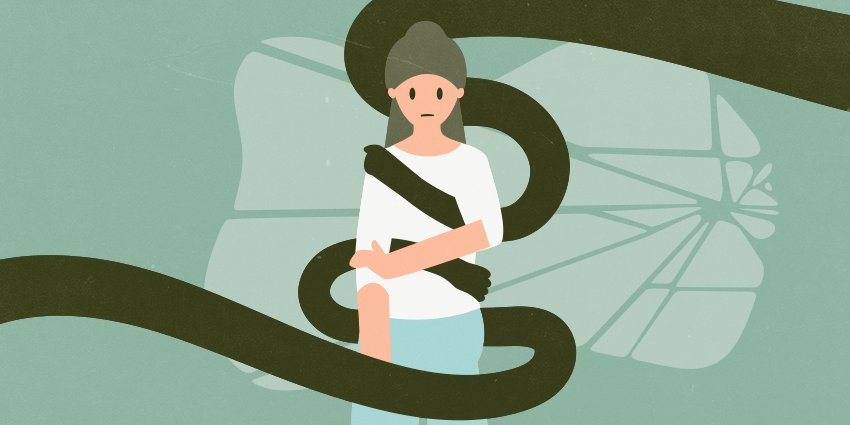
Gaslighting can make you doubt yourself, your sense of reality and your memories. It can involve denial, twisting facts, or making you feel like you’re overreacting. It can leave you feeling confused, isolated, and powerless. When it's used in a pattern of repeated behaviours, it's a form of coercive control, which is family and domestic violence.
Statistics from the Australian Bureau of Statistics tell us that 23% of women and 14% of men have experienced partner emotional abuse. Gaslighting in relationships is a real and dangerous issue for many Australians.
Why is it called "gaslighting"?
The term gaslighting originates from Patrick Hamilton's 1938 play Gas Light, in which a husband slowly makes his wife lose trust in her reality - dimming the gas lights in their home and then denying the change. Gaslighting has since become widely used to describe this type of emotional abuse.
What are some examples of gaslighting in a relationship?
Perpetrators use tactics to make you question your reality. Some common tactics include:
- Countering: Denying your version of reality.
- Diverting: Changing the subject to avoid responsibility.
- Trivialising: Brushing off your concerns and feelings.
- Withholding: Refusing to have a conversation about your concerns.
- Stereotyping: Using stereotypes based on your identity to dismiss your concerns.
With these tactics, gaslighting can sound like many things. Some more examples of what it might sound like include:
- “You’re so sensitive.”
- “You’re overreacting about this.”
- “You know I would never do that to you.”
- “You need to get some help.”
- “You can’t trust your memory.”
- “You’re exaggerating what actually happened.”
- “You’re crazy.”
What are the signs of being gaslighted?
Gaslighting has many mental or emotional impacts. When you’re experiencing gaslighting, you might feel:
- like you’re second guessing your own thoughts and emotions
- a sense of dependency on the abuser
- like you need to apologise a lot
- that you struggle to make decisions
- more sadness or anxiety than usual
- that you need to make excuses for someone’s poor decisions or behaviours towards you
- like no matter what you do, it’s not good enough
- like you don’t have any independence
- isolated from friends or family
- low self-esteem, as your thoughts, feelings and experiences are repeatedly denied
Gaslighting can happen gradually. This can make it hard to see the signs until the effects on your life become severe. For example, increased anxiety and depression.
Gaslighting doesn't only happen in intimate relationships. It can also happen at work with colleagues, with a neighbour, between family members or friends, and even by medical professionals.
Why is gaslighting dangerous?
Gaslighting someone is emotional abuse, and it is used to manipulate and control another person. Gaslighting is dangerous because it can:
- erode your confidence, self-worth and sense of reality
- take away your independence and create doubt in your mind
- make you dependent on your abuser as a source of truth
- result in you becoming isolated from friends or family
In the video below, Damian Green, CEO from Stopping Family Violence, explains what gaslighting is and how it can impact a person’s identity and confidence.
What should I do if I am being gaslighted?
If you are being gaslighted, remember that you are not alone and it is not your fault. Here are a few first steps you can take:
- Trust your instincts: Being gaslighted erodes trust in yourself, but your instincts are real, and they matter.
- Talk to a trusted person: For example, a friend, family member, or counsellor.
- Contact a support service: Support services ae here to help you, 24/7.
- Make a safety plan: Find tips to create a safety plan that fits your situation.
How can I help someone who is experiencing gaslighting?
Talking about gaslighting or coercive control can be tricky. Especially because these behaviours can be so subtle that they’re hard to notice.
It can be easy for someone to dismiss or rationalise the manipulation as “just caring” or “just how they are.”
If you notice someone in your life is showing signs of being gaslit, you can offer support and be there to listen without judgement.
You can start a conversation with that person in a few ways:
- Create a safe space for them to feel a bit more comfortable opening up to you without fear of anyone else overhearing.
- Ask them how they feel when that person said or did that thing.
- Validate their feelings and believe what they say.
- Encourage them to keep a record of what’s happening somewhere secure.
- Avoid judging their choices.
- Help them to explore support options available to them.
It’s important to let them know that you believe in them and stand by their side. If someone seeking help is brushed off, it could decide whether they open up, leave the relationship, or get help - or stay in a harmful situation.
Learn more about how you can help someone experiencing family and domestic violence.
Download this fact sheet for helpful tips on supporting someone.
What to do if you’re worried you are gaslighting in your relationship
If you’re concerned about your behaviour, there are support services and resources available to help. Taking responsibility is the first step towards positive change.
Help and support
If you, or someone you know, is in immediate danger, call the police now on 000.
If it’s not an emergency and you need support, you can call support helplines 24 hours a day, seven days a week. Use a friend’s phone if you think yours is being monitored.
- 1800RESPECT: a national sexual assault, domestic family violence counselling service. Phone: 1800 737 732.
- Women’s Domestic Violence Helpline: provides support for women, with or without children, who are experiencing family and domestic violence in Western Australia (including referrals to women’s refuges). Phone: 1800 007 339. *This helpline is operated by Department of Communities, and your call will be answered by a child protection worker. We are here to help.
- Men’s Domestic Violence Helpline: provides telephone information and referrals for men who are concerned about their violent and abusive behaviours, and for male victims of family and domestic violence in Western Australia. Phone: 1800 000 599. *This helpline is operated by Department of Communities, and your call will be answered by a child protection worker. We are here to help.
- Kids Helpline: provides free support and counselling (talking through problems) to people aged 5-25. Phone: 1800 551 800
Find more support here:
Family and domestic violence helplines and support services
Raise awareness about coercive control and stand up against violence
We all have a role to play in preventing family and domestic violence. Raising awareness in our communities or on social media can help others spot the signs.
Find out how to help raise awareness about coercive control in family and domestic violence.
You can also find out how to stand up against family and domestic violence and promote respect.