To find services or supports you are comfortable with, please visit the helplines and support services page – use a friend’s phone if you think yours is being monitored.
You may be worried that a friend or relative is experiencing family and domestic violence. Understanding what family and domestic violence is and knowing how to support someone in such a situation is crucial.
Family and domestic violence doesn't have to be physical.
Coercive control - a pattern of abuse used to maintain power over another person - is family and domestic violence.
Your support and empathy can make a big difference in helping someone feel safe enough to speak up and seek help.
How can you tell if someone is being abused?
Family and domestic violence may not be obvious - but there are some signs to look out for:
- They seem scared of their partner or are always trying to please, or calm them.
- They often cancel plans at the last minute.
- They stop seeing family or friends.
- Their partner constantly calls or texts them when they are out.
- Their partner is overly attentive, stays close to them, or keeps an eye on who they speak to.
- They have bruises, sprains, or cuts that they say were accidents.
- Their partner controls all the finances, and they must justify every cent they spend.
- Their partner controls their activities, how they dress, or their contact with friends and family.
Family and domestic abuse can be hard to see from the outside, and many perpetrators don't show signs of violence in their other relationships. If you haven't seen the abusive behaviour yourself, that doesn't mean it isn't happening. Many victim-survivors, both adults and children, worry they won't be believed if they tell someone.
What can you do if someone is experiencing domestic violence?
If someone close to you is experiencing family and domestic violence, it's important to listen, believe them and be prepared to help them access support when they're ready.
There are simple things you can do to make a big difference:
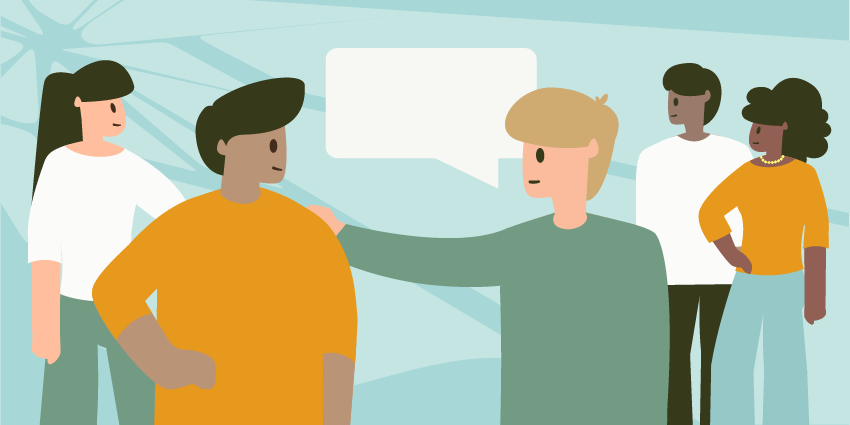
- Express your concerns and ask them if they’re ok in a safe space. Try “You haven’t seemed yourself lately. Is everything ok at home? Is there anything you want to talk about?”
- Believe in the person and take their fears seriously. This is important no matter what you think of the person who hurt them.
- Listen without interrupting or judging. Help build a support system and encourage them to keep in regular contact.
- Understand that they may not be ready, or it may not be safe to leave. Don’t try to force them to do what you think is best.
- Help them make a safety plan. This can include things like transport, childcare, appointments or offering a safe place to stay or to keep important documents or possessions. There are specialist family and domestic violence support services, who can help you create a safety plan.
- Help explore options. You or the person you are supporting can call family and domestic violence support helplines and services to get advice specific to your situation.
- Respect the knowledge and understanding that the victim-survivor has about their own situation. The person experiencing family and domestic violence, is the expert in their own safety, and it is important they feel supported and empowered to make their own decisions, about what is right for them.
- Be patient and remind them that you're there for them.
In the video below, Damian Green, CEO from Stopping Family Violence, explains how you can help when someone close to you is experiencing family and domestic violence.
What should you avoid saying or doing?
There are some common misconceptions and misunderstandings about family and domestic violence that include:
- Judgement or criticism. This may make them feel isolated, making them too afraid or ashamed to talk about the abuse.
- Blaming the person experiencing the violence. Violence is never ok. Let them know that the abuse is not their fault, and everyone deserves to be treated with respect.
- Making excuses for the perpetrator. Don’t blame alcohol, drugs, or mental health issues for their choice to use violent and abusive behaviour.
- Pressuring them to leave the relationship and avoid telling them what they should do.
- Making negative comments about their partner. This can make them feel more isolated and judged, and may discourage them from sharing more information.
- Don’t give up on them. Seeing someone you care about stay in a relationship where their partner is abusing them can be difficult. There are many reasons a victim survivor does not leave, including that it might be unsafe to leave. Remind them you care about them and are there to support them.
Download the fact sheet on how to help someone experiencing coercive control:
Fact Sheet: Coercive control - How to help someone
Why doesn’t a victim-survivor just leave?
Remember that the perpetrator is responsible for the violence and abuse – the victim is not. Leaving a relationship with someone using violence can be dangerous. The risk of injury or even death is greatest when leaving a relationship where their partner is abusing them or shortly after.
There are many reasons why it may be difficult for someone experiencing family and domestic violence to escape, including:
- It might be too dangerous to leave, and the person may be scared.
- They hope the person using violence will change and the violence will stop.
- They feel shame or embarrassment.
- They have been made to feel that the violence is their fault.
- They have no access to money and nowhere to go.
- They are worried about people (family and friends) not believing them.
- They believe that children need both parents.
- They fear a negative reaction from family, friends or community.
- They may not know support is available or have had previous bad experiences with support services including police and justice responses.
- They may be afraid they will lose custody of their children.
- They may feel shame or denial, worrying that people might think they don’t care about their children.
This might be confusing for you as a friend or family member ‘looking in’, and believing a person you care about is choosing to stay in a relationship where their partner is abusing them. But supporting a victim-survivor to make their own decisions about how to create safety for themselves and/or their children is an important way to help.
Why doesn’t a victim-survivor just tell someone?
There are many reasons that someone being abused might not speak up about their situation. Some victim-survivors:
- Fear being judged or blamed.
- Believe that the violence and abuse will get worse if other people get involved.
- Worry they won’t be able to support themselves and their children alone. Family and domestic violence often involves financial abuse that takes away a victim-survivor's financial independence.
- Feel guilty or responsible for the violence.
- People from another cultural background experiencing domestic violence might encounter cultural influences that make it hard for them to tell someone about the abuse.
- Fear their children being taken away or put into foster care.
How can a victim-survivor care for someone who hurts them?
Violent and abusive behaviours are usually a pattern, and they are mixed in with what can feel like loving, or even safe, behaviours. Many victim-survivors leave and return to their partner multiple times before they leave for good.
An important consideration is the victim-survivor’s level of fear. Many people stay in a relationship, or return to a relationship, because they fear what the perpetrator will do to them or their children if they leave.
Help and support
If you, or someone you know, is in immediate danger, call the police now on 000.
If it’s not an emergency and you need support, you can call these numbers 24 hours a day, seven days a week.
- 1800RESPECT: a national sexual assault, domestic family violence counselling service. Phone: 1800 737 732.
- Women’s Domestic Violence Helpline: provides support for women, with or without children, who are experiencing family and domestic violence in Western Australia (including referrals to women’s refuges). Phone: 1800 007 339. *This helpline is operated by Department of Communities, and your call will be answered by a child protection worker. We are here to help.
- Men’s Domestic Violence Helpline: provides telephone information and referrals for men who are concerned about their violent and abusive behaviours, and for male victims of family and domestic violence in Western Australia. Phone: 1800 000 599. *This helpline is operated by Department of Communities, and your call will be answered by a child protection worker. We are here to help.
- Kids Helpline: provides free support and counselling (talking through problems) to people aged 5-25. Phone: 1800 551 800
- Concern for a child's wellbeing: If you are concerned about a child's wellbeing, please contact the Department of Communities Child Protection Central Intake Team on 1800 273 889. If you are calling outside of business hours, Crisis Care is available on 1800 199 008 and provides Western Australia’s after-hours response to reported concerns for a child’s safety and wellbeing and information and referrals for people experiencing crisis. For more information about child protection, please visit Child protection.
Find more support services and helplines here:
Family and domestic violence helplines and support services
Other helpful resources about helping someone experiencing family and domestic violence
Find more advice and information about supporting someone in a family and domestic violence situation: