What is an embedded network?
An embedded network is a distribution system that supplies electricity to at least one customer who is not in control of the distribution system, or a premise that is not occupied by an entity in control of the distribution system.
These networks are supplied with electricity by another distribution system (often the grid) and are not part of a covered network. For example, in Western Australia, the main electricity network (the South-West Interconnected System) is owned and operated by Western Power and embedded networks are connected to this main network.
There are two types of embedded networks:
- A single property network (SPN)
- A multi property network (MPN)
The Alternative Electricity Services framework is regulating SPNs.
What is a single property network?
The information on this page provides an overview of single property networks (SPNs). Visit the AES Regulations for more information about how SPNs are defined under the AES framework
An SPN can be either a private or nested network.
A private network means a distribution system, that is not a licensed network, located on a single property and supplied with electricity directly by a licensed network.
A nested network means any part of a private network metered separately from the other parts of the private network and used to supply electricity, whether directly or indirectly, to more than one premise for the purposes of consumption.
The operator of the SPN may be the property owner (or owners), or a third party under contract.
SPNs are often found in apartment buildings, retirement villages, long stay parks, shopping centres and office buildings.
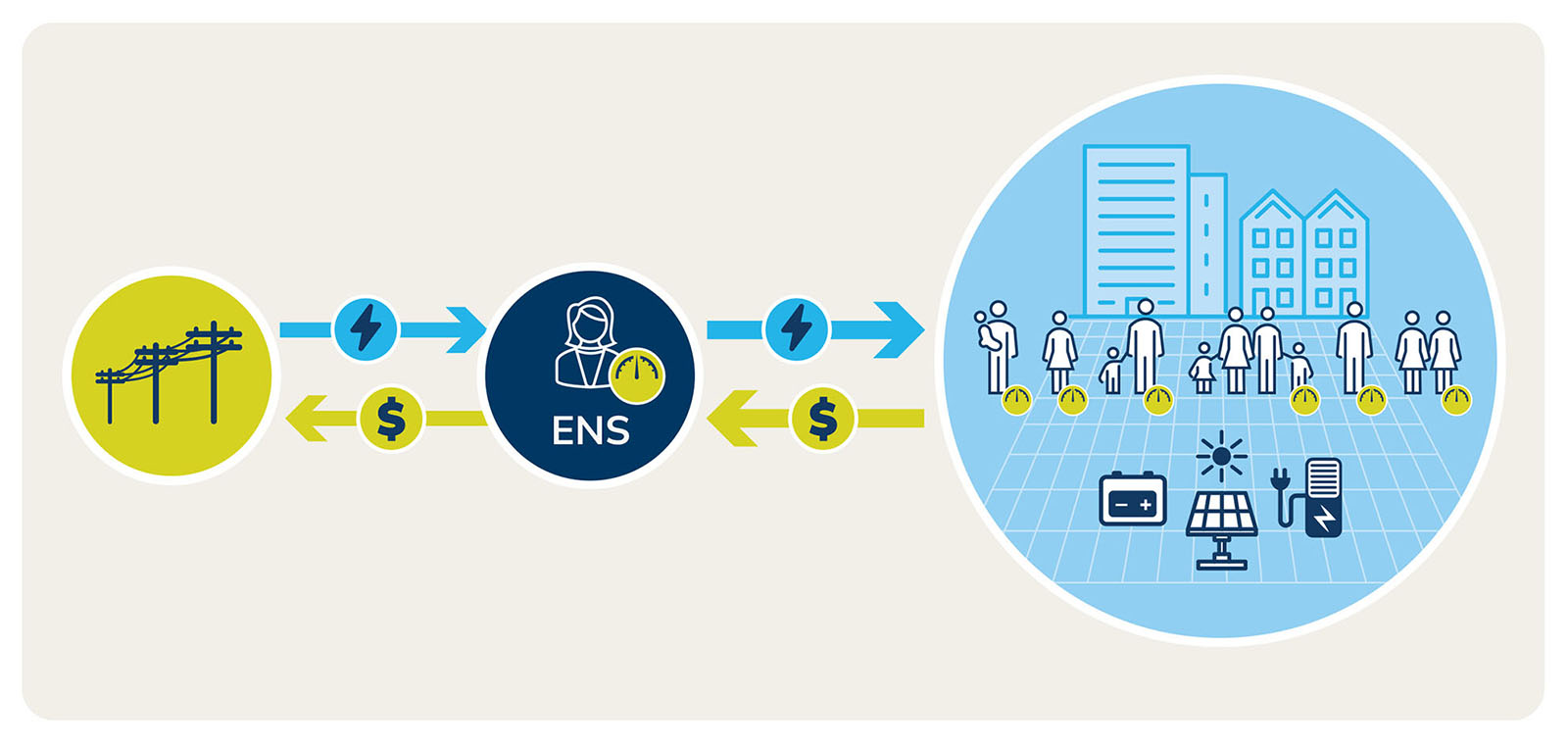
Customers in an SPN buy electricity from the SPN operator, not from a licensed retailer.
Residential customers in SPNs do not have currently access to the Energy and Water Ombudsman WA Scheme and have limited customer protections.
What is a multi-property network (MPN)?
A multi-property network is an embedded network that contains multiple, green-titled properties with one master meter at the network connection to the electricity grid. MPN providers are regulated under the Electricity Industry Act 2004 and must hold a retail and distribution licence.
Residential customers in MPNs have protections under the Code of Conduct for Supply of Electricity to Small Use Customers and have access to the Energy and Water Ombudsman WA Scheme for dispute resolution.
Limited customer protections
Until July 2027, none of the above customer protections apply if you buy electricity from a SPN operator. Some limited customer protections apply under the licensing exemptions framework. Regulation under the AES framework is to extend protections to electricity customers in SPNs similar to those provided by a licensed retailer.
For information on the current regulations for on-selling electricity in Western Australia visit On-Selling of Electricity and Gas.
Eligible customers in embedded networks can also access concessions directly from RevenueWA through the Energy Concession Extension Scheme.
Why are these services being regulated?
Electricity is an essential service. Customers of licensed retailers have certain rights protected under the Code of Conduct for the Supply of Electricity to Small Use Customers. They also have access to the Energy and Water Ombudsman WA Scheme to resolve disputes. The licenced retailer’s activity is monitored for compliance by the Economic Regulation Authority.
The WA Government wants to make sure that, where possible, all electricity customers have the same standard electricity rights.
From July 2027, customers of SPN services will have access to similar protections already in place for grid-connected electricity customers, including access to independent dispute resolution through the Energy and Water Ombudsman.